

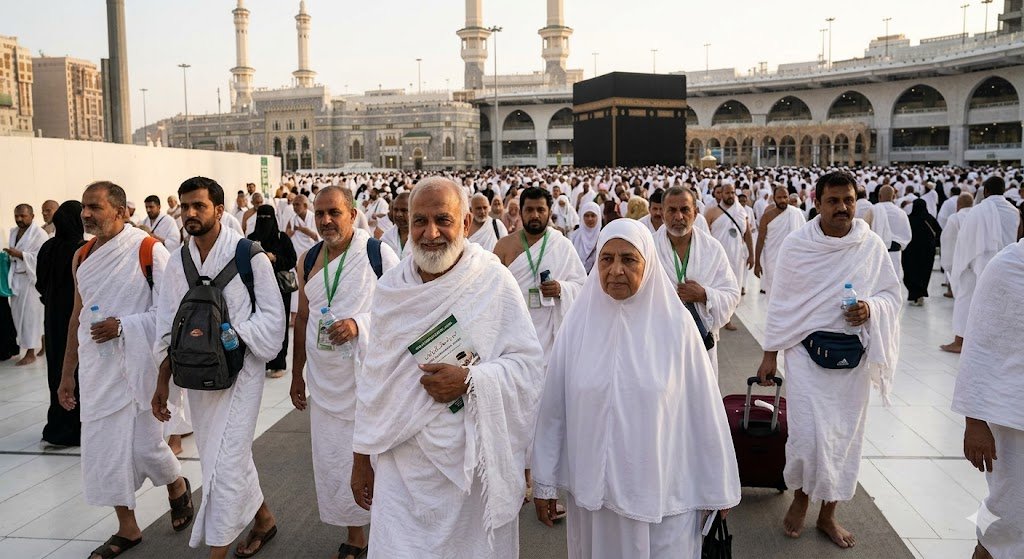
Umrah and Hajj services 2026: Complete Guide & Tips

Finding reliable Umrah and Hajj services for 2026 is the most crucial step when preparing for a spiritual journey to the holy lands of Makkah and Madinah. Whether you are fulfilling a lifelong dream or embarking on a routine pilgrimage, managing your trip requires careful planning, trusted ground logistics, and up-to-date knowledge of Saudi travel regulations.
This comprehensive guide breaks down everything you need to know about Umrah and Hajj services in 2026, covering core rituals, accommodation options, transit routes, and essential tips for modern pilgrims.
Understanding Umrah and Hajj Services 2026
Every year, millions of believers gather in the heart of Saudi Arabia to perform sacred rites. Understanding the core distinctions between both journeys helps in selecting the right options for your specific travel schedule and budget.
What is Umrah?
Umrah is often referred to as the “minor pilgrimage.” While it is not obligatory, performing it is a revered Sunnah of Prophet Muhammad ﷺ. The primary advantage of Umrah is its flexibility—it can be performed at any time during the year.
The four fundamental rituals of Umrah are the following:
-
Ihram: Entering a dedicated state of spiritual purity with prescribed white garments and intention (Niyyah).
-
Tawaf: Circumambulating the Holy Kaaba seven times counterclockwise.
-
Sa’i: Walking seven times between the sacred hills of Safa and Marwa.
-
Halq or Taqsir: Shaving or trimming the hair to mark the official completion of the pilgrimage.
What is Hajj?
Hajj is the fifth pillar of Islam, mandatory (fard) once in a lifetime for every adult Muslim who is physically and financially capable. Unlike Umrah, Hajj takes place exclusively during specific days in the Islamic month of Dhul Hijjah (8th to 13th).
Key rituals of Hajj include:
-
Assuming Ihram at designated miqat boundaries.
-
Gathering at the Plain of Arafat for the central day of prayer.
-
Spending the night in Muzdalifah and collecting pebbles.
-
Performing Rami (symbolic stoning of the pillars in Mina).
-
Offering the sacrifice (Qurbani) for Eid al-Adha.
-
Completing Tawaf al-Ifadah and Tawaf al-Wada (Farewell Tawaf).
Quick Comparison: Hajj vs. Umrah
Ground Transport & City Transfers
Efficient travel between Jeddah Airport, Makkah, Madinah, and holy sites (Ziyarat) is an essential component of modern pilgrimage travel. Transit options include:
-
Air-Conditioned Coaches: Budget-friendly group transport operating regularly across major routes between Makkah and Madinah.
-
Haramain High-Speed Railway: Rapid, modern rail connections linking Makkah, Madinah, and Jeddah in comfort.
-
Private Cars & SUVs: Preferred choice for families requiring flexible schedules, spacious travel, and direct hotel transfers.
-
Al-Mashaer Metro: Dedicated Hajj monorail operating strictly between Mina, Muzdalifah, and Arafat to maintain crowd safety during peak days.
Hotel Accommodations Near the Haram
Proximity to the Grand Mosque reduces travel stress significantly during your stay:
-
5-Star Luxury Towers: Located directly on the Haram courtyard with direct views of the Kaaba.
-
4-Star Comfort: High-quality stays located within 500m to 1km with complimentary shuttle bus services.
-
3-Star Budget Hotels: Clean, economical lodging options ideal for longer stays or cost-conscious travelers.
-
Furnished Apartments: Excellent layout choices for large families seeking multi-room setups and self-catering options.
Visa Processing & Legal Documentation
Pilgrims must secure official entry permissions before travel. Today, digital platforms like Nusuk streamline online visa applications, making verified Umrah and Hajj services for 2026 faster, safer, and more accessible than ever before.
Religious Guidance & Catering Support
-
Scholarly Assistance: Qualified scholars (Mu’allim) accompany groups to guide pilgrims through supplications and ritual compliance.
-
Halal Meal Services: Full-board or half-board catering tailored to diverse international palates during tent stays in Mina and Muzdalifah.
Choosing Umrah and Hajj Services 2026 Packages
Choosing structured travel bundles ensures all your travel requirements are handled smoothly under a single contract through recognized operators.
Types of Umrah Packages
-
Economy Packages: Focus on standard 3-star lodging, shared coach transit, and essential visa support.
-
Custom Family Packages: Offers private SUV transfers, mid-range hotel arrangements, and flexible itineraries.
-
VIP / Ramadan Packages: Includes premium front-row accommodations, direct Haram access, and tailored itineraries.
Types of Hajj Packages
-
Government Schemes: Managed directly by national authorities (such as the Pakistan Hajj Mission), offering regulated pricing and official quota allotments.
-
Private Operator Packages: Categorized into Economy, Standard, and Premium tiers, offering VIP Mina tent privileges, high-speed train access, and personalized guided rituals.
Visa Requirements for Umrah and Hajj Services 2026
Before finalizing your reservation for Umrah and Hajj services in 2026, confirm you have all necessary documentation ready for processing.
-
Valid Passport: Minimum of 6 months’ validity remaining from your intended travel date.
-
Updated Vaccinations: Mandatory Meningococcal (ACYW135) vaccine certificate, alongside updated health cards.
-
Passport-Sized Photographs: Recent photos with a clear white background.
-
Confirmed Travel Itinerary: Verified round-trip flights and locked hotel reservations.
-
Nusuk Registration: Mandatory app registration for tracking, emergency support, and permit issuance for Rawdah visits.
Practical Tips for First-Time Pilgrims
-
Book Early: Demand surges dramatically during Ramadan and peak Hajj periods, causing prices to rise closer to travel dates.
-
Prioritize Proximity: Choosing lodging closer to the Haram saves valuable time and physical energy during daily prayers.
-
Patience & Mindfulness: Crowds are vast; focus on spiritual calmness and safety rather than speed during circumambulation.
-
Hydration & Protection: Drink Zamzam water regularly and carry sun protection during daytime trips to historical sites.
FAQ on Umrah and Hajj Services 2026
Q1. What is the best time to perform Umrah in 2026?
While Umrah can be done year-round, performing it during the holy month of Ramadan yields immense spiritual rewards equivalent to Hajj in merit.
Q2. How early should I register for Hajj 2026?
It is strongly recommended to register 6 to 12 months before the season, as official national quotas fill rapidly.
Q3. Can transport services be booked independently upon arrival?
While private taxis exist at airports, pre-booking verified ground transport through established Umrah and Hajj services in 2026 ensures reliable pricing, guaranteed vehicle availability, and zero airport delays.
Conclusion
Planning your journey with certified Umrah and Hajj services in 2026 guarantees a safe, spiritually rewarding, and stress-free pilgrimage. Services like Umrah Transport Finder play an invaluable role in providing reliable, affordable, and seamless ground transport solutions for pilgrims traveling from Pakistan and across the globe. By selecting dependable lodging, official visa guidance, and verified transit, you can devote your complete attention to devotion, prayer, and worship.
Author: Rabia Iqbal
Really enjoyed reading this post. It explained how to choose the right umrah package from pakistan .